

Workflow & Process Improvement
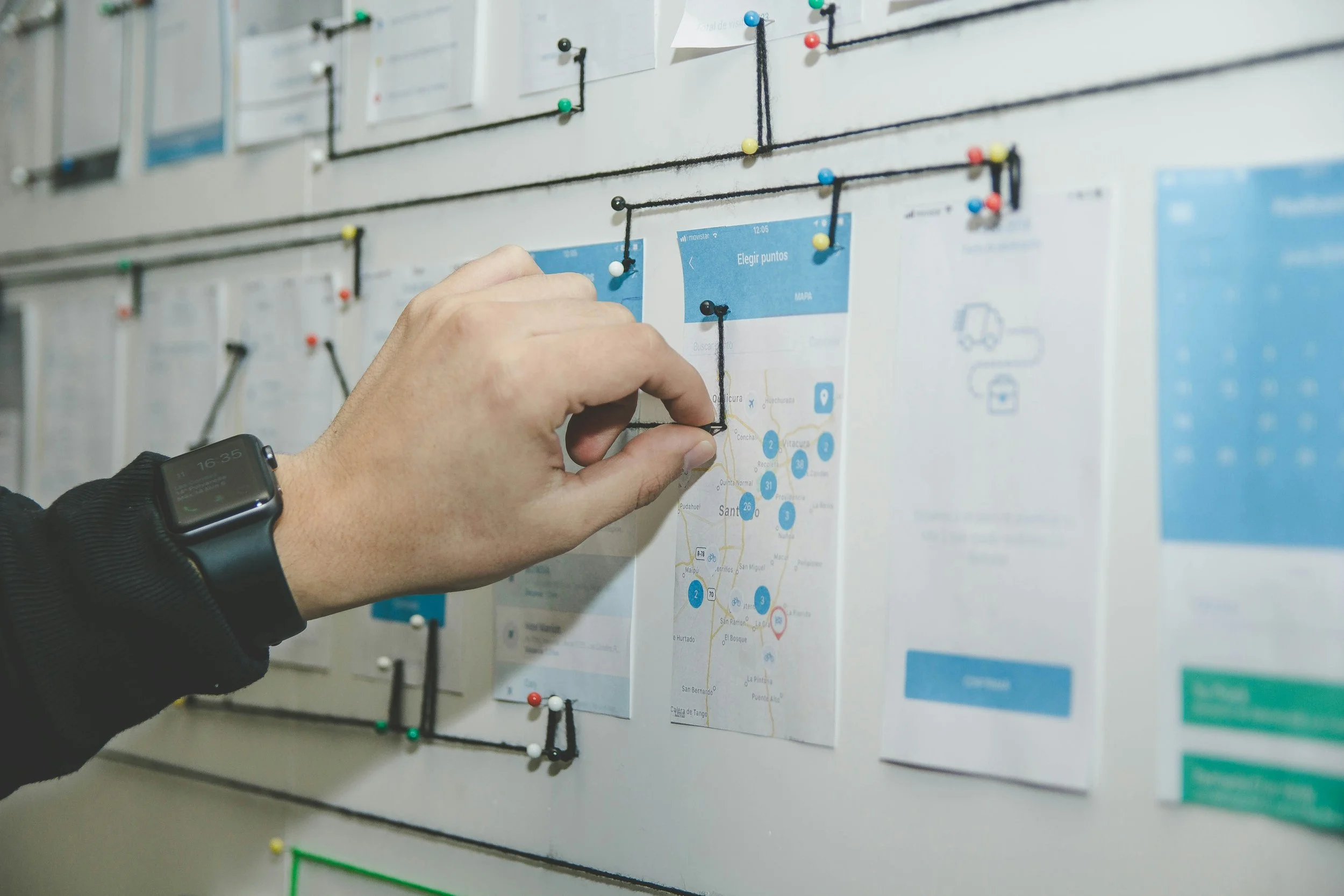
Inefficient processes are often the biggest barrier to productivity — not the technology itself.
We work with your team to analyse existing workflows, identify bottlenecks, and design more efficient, scalable ways of working. This includes mapping end-to-end processes, understanding stakeholder interactions, and uncovering hidden inefficiencies across systems and teams.
The outcome is practical, implementable improvements — whether through process redesign, system optimisation, or targeted automation — that reduce manual effort, improve consistency, and support better operational outcomes.
What this includes
Map and analyse end-to-end business processes
Identify bottlenecks, duplication, and manual inefficiencies
Redesign workflows for improved consistency and scalability
Case Study -
Currie Group
Workflow & Process Improvement Across Operations

The Challenge
Currie Group engaged Evo Core to analyse and improve a range of operational workflows across finance, service, and logistics functions. Many of these processes relied heavily on manual steps, spreadsheets, and disconnected systems, creating inefficiencies, duplication of effort, and limited visibility across the business.
What We Did
We designed a future-state operating model focused on automation, system integration, and improved workflow design. This included reducing reliance on spreadsheets, streamlining data flow between systems, and introducing more structured, scalable processes aligned to how the business operates.
The result was a significant improvement in operational efficiency, reducing manual effort and enabling teams to work more effectively across core business functions.

The Outcome
Through detailed process mapping and analysis, we identified inefficiencies across key workflows including reporting, invoicing, expense management, and spare parts handling. These processes often involved multiple systems, manual data entry, and significant time investment from staff across different roles.
Key Impact
Identified efficiency gains equivalent to ~49 days per month across operations
Reduced reliance on manual processes, spreadsheets, and duplicate data entry
Improved consistency and visibility across finance, service, and logistics workflows
Established a scalable, future-state operating model aligned to business growth